
How to Choose a Portable Generator Water Pump and Small Petrol Engine for Farm Use

Kishor Dhakad
03-10-2026
03-10-2026
How to Choose a Portable Generator Water Pump and Small Petrol Engine for Farm Use
A practical guide to matching output flow head starting load and service support to the job
Guest article | MLBE
Transparency note: Model-specific figures are based on the manufacturer's published specifications. Confirm the available configuration and suitability for your intended use with supplier before purchase.
The useful question is how much capacity the job requires. For irrigation, pump selection depends on the height and distance over which water must move. For a generator, the total load and the starting demand of motor-driven equipment are critical. For a small petrol engine, output must be checked alongside shaft dimensions, mounting, and access to service parts.
A task-based approach helps avoid two common mistakes: buying a machine that cannot do the work, or paying for capacity that the farm is unlikely to use.
1. Define the work before choosing a machine
Before comparing dealers or online listings, write down five facts about the job:
• What is the main task: irrigation, water transfer, standby electricity, or powering another farm implement?
• How many hours will the machine run at a time, and roughly how many days will it be used each year?
• How far is the worksite from the farm, orchard, pump house, or home? Will the machine need to be carried or moved often?
• Are fuel, engine oil, filters, hoses, cables, and common service parts available locally?
• Where can you obtain repairs and warranty support?
Model and price comparisons become useful only after these questions have clear answers.
2. Choosing a Petrol Water Pump by Flow Head and Pipe Loss
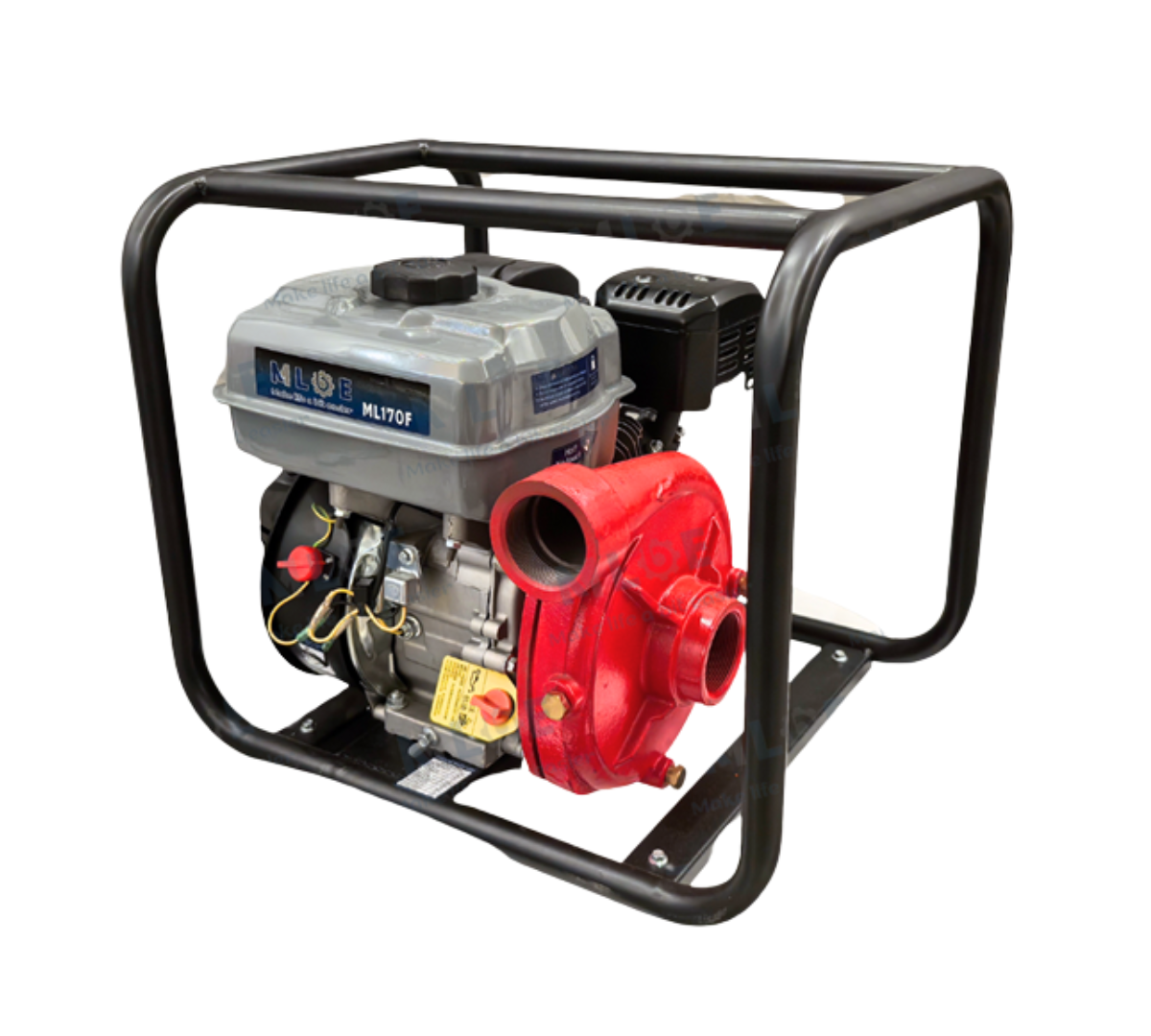
Figure 1 Portable 2-inch petrol water pump. Actual output depends on the site and pipework.
Three terms matter most when comparing water pumps:
• Flow rate is the volume of water the pump can move in one minute.
• Head is the height and resistance against which the pump can move water.
• Suction lift is the vertical distance from the water surface to the pump.
A manufacturer's maximum flow and maximum head figures usually describe limits measured under different test conditions. A pump will not normally deliver both maximum figures at the same time. On a farm, output falls as the delivery distance, pipe length, bends, elevation, valves, leakage, and friction increase. Allow a practical margin when sizing the pump.
For example, the MLBE MLWP50G 2-Inch Gasoline Water Pump is listed with 50 mm inlet and outlet connections, maximum flow of up to 330 litres per minute, maximum head of up to 60 metres, and suction lift of up to 7 metres. Its published specification also includes a 212 cc ML170F engine, recoil starting, a 3.6-litre fuel tank, and a net weight of about 35 kg. These figures provide a starting point for comparing long-distance or high-lift work, but the final choice must account for the farm's actual elevation and pipe losses.
Checks to Make Before Selecting a Pump
• Is the water clean, or does it contain sand, silt, or debris? Running a standard clean-water pump in dirty water can damage it.
• Is the suction hose completely airtight? Even a small air leak can prevent proper priming and reduce flow.
• Are the foot valve and strainer the correct size? They help keep debris out of the pump and reduce drain-back.
• Is the delivery hose too narrow for the required distance? A narrow or very long hose increases friction loss.
• Never run the pump dry. Fill the pump casing with water and prime it before starting.
3. Selecting a Portable Generator by Rated Output
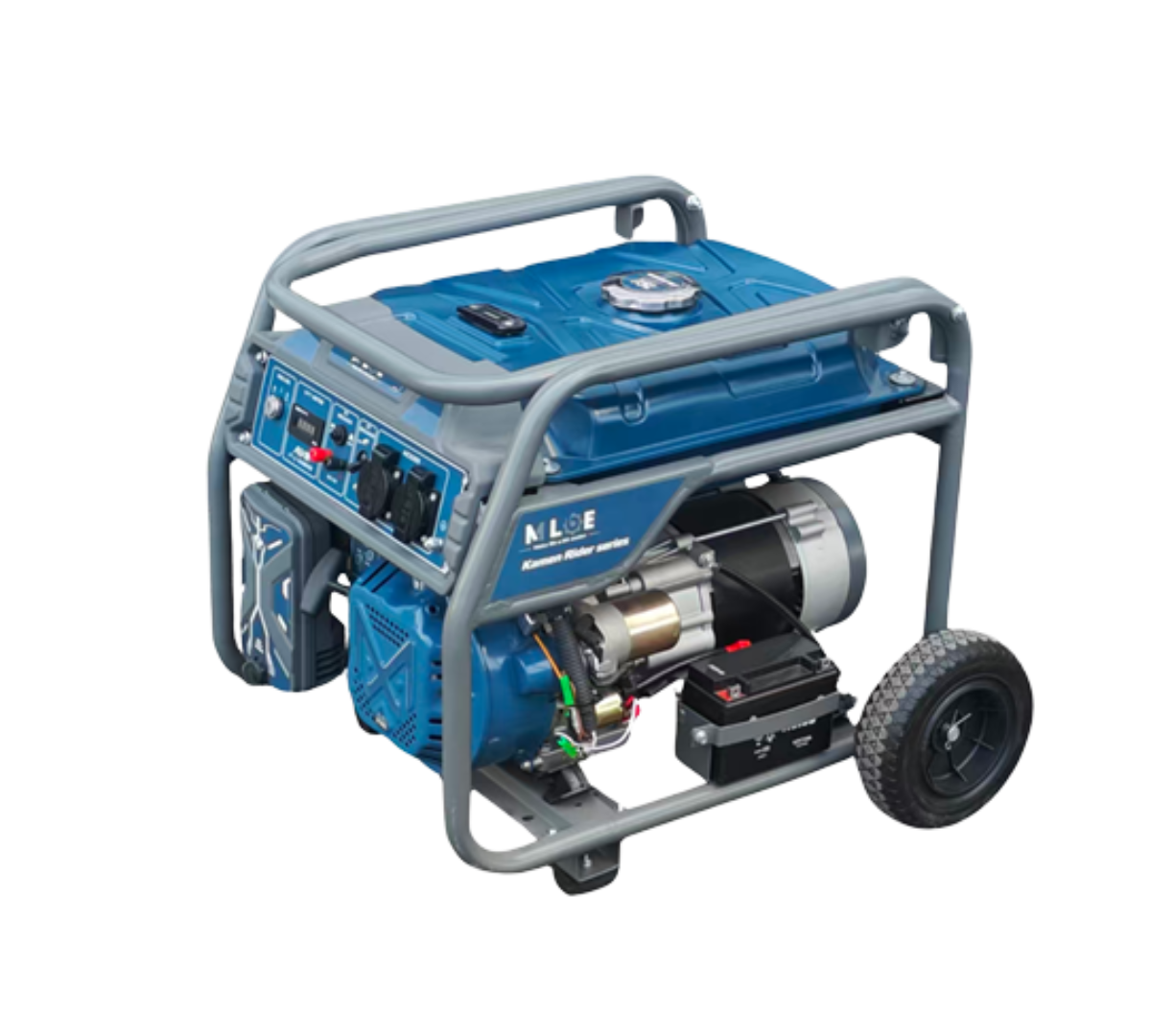
Figure 2 Portable petrol generator. Operate it outdoors in a well-ventilated location.
Plan continuous use around rated output. A generator may display both rated and maximum output. Maximum output is a short-duration limit. Water pumps, compressors, refrigerators, and some power tools can draw substantially more electricity while starting than while running, so simply adding the wattage printed on each nameplate may underestimate the required capacity.
The published options for the MLBE ML2500 Series Portable Gasoline Generator include 2.0/2.3 kW rated output, 2.2/2.5 kW maximum output, a 13-litre fuel tank, and up to 12 hours of running time at 50% load. The series may be supplied in market-specific 50/60 Hz and 110/220 V configurations. Before ordering, obtain written confirmation that the voltage, frequency, sockets, and other electrical details match the equipment you intend to use.
A Simple Way to Estimate Generator Load
• List the running wattage of every appliance or tool that may operate at the same time.
• Ask the manufacturer or dealer for the starting requirement of motor-driven equipment.
• Allow a reasonable margin for small future loads and uncertainty.
• If the load changes frequently, ask about overload protection and output stability.
Safety first. Never operate a generator in a room, an enclosed part of a shed, a vehicle, or near doors and windows. Petrol engines produce carbon monoxide, an odourless gas that can be fatal. Stop the engine and allow it to cool before refuelling. Ask a qualified electrician for advice before connecting a generator to fixed wiring.
4. Matching an ML154F Sprayer Unit to the Job
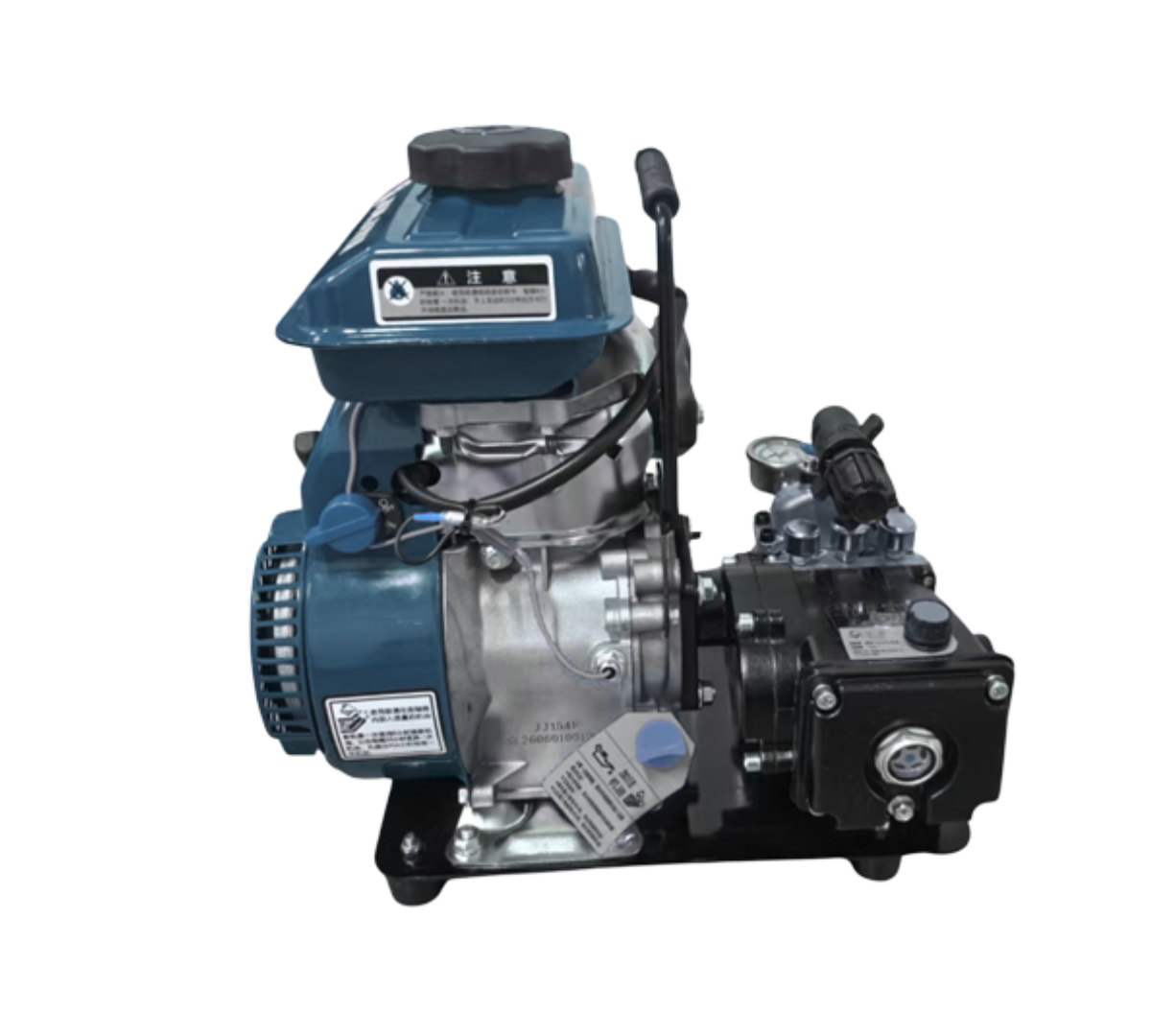
Figure 3 ML154F petrol engine directly coupled to a three-cylinder ceramic plunger sprayer pump.
Engine displacement and maximum power do not describe a complete sprayer unit. Confirm the required working pressure, flow rate, suction height, hose and nozzle sizes, and compatibility with the intended spray solution. Ask the supplier to confirm the complete configuration in writing for orchard or farm use.
The MLBE ML154F Gasoline Engine with Sprayer directly couples a 105 cc, single-cylinder, four-stroke OHV petrol engine to a three-cylinder ceramic plunger pump. Its published specification lists 1.3 kW rated power, 1.5 kW maximum power, adjustable working pressure of 2.0–4.0 MPa, flow of 12–15 litres per minute, and suction height up to 8 metres. The belt-free unit weighs approximately 14–16 kg and is intended for orchard and farm spraying, cleaning, and sanitising applications.
Questions to Ask Before Buying a Sprayer Unit
• What working pressure and flow rate will the unit deliver with the proposed hose and nozzle?
• Are the pump, seals, and hoses compatible with the intended pesticide or fertiliser solution?
• Does the package include a suction hose, strainer, pressure hose, and spray nozzle?
• Are ceramic plungers, seals, valves, and pressure-regulator parts available locally?
• What warranty, service interval, and local repair support apply to the engine and pump?
5 Evaluate the Complete Working System
A correctly sized machine can still fail to deliver if its supporting equipment is unsuitable. Include these items in the purchase plan:
• For a water pump: suction and delivery hoses of the correct diameter, clamps, strainer, foot valve, and spare gaskets.
• For a generator: correctly rated cables, suitable plugs, an earthing arrangement, and weather protection that does not restrict ventilation.
• For an engine-driven sprayer: compatible hoses and nozzles, a strainer, spare seals, and secure fasteners.
• For every machine: a clean fuel container, the specified oil, a basic tool kit, and a service record.
The lowest purchase price does not always produce the lowest operating cost. Compare fuel use, downtime, hoses or cables, routine servicing, spare parts, and the cost of moving the machine to the field. If the equipment will be used only a few days each year, renting or sharing a machine may be more economical than ownership.
6 First Use and Maintenance Checklist
• Read the manual and fill the engine with the correct amount of oil before starting. Running a new engine without oil can cause serious damage.
• Before every use, check for fuel leaks, loose bolts, damaged hoses or cables, and missing safety guards.
• Place the machine on firm, level ground. Keep children and animals away from the work area.
• Inspect the air filter more often in dusty fields. A dirty filter can reduce power and fuel efficiency.
• Follow the manufacturer's storage instructions before a long period of non-use. Stale petrol can cause carburettor problems.
• Record service dates, running hours, and replaced parts. This helps with fault finding and warranty claims.
7 Seven Questions to Ask the Supplier
1 Why is this model suitable for the task and site conditions I have described?
2 Is the published capacity a maximum figure or a rating for continuous use?
3 Which accessories are included, and which items must be purchased separately?
4 Which voltage, frequency, socket, or shaft configuration will be supplied in my area?
5 How long is the warranty, what does it exclude, and where is the nearest service centre?
6 Are common service parts available locally, and what do they typically cost?
7 Will delivery include a demonstration, priming or starting instruction, and a written manual?
Conclusion
The right farm machine is the one that matches the actual work, can be operated safely, and can be serviced when needed. For a water pump, consider head, flow, and pipework together. For a generator, calculate rated output and starting load.
For a small engine, match the power, shaft, and mounting to the driven machine. Written specifications, local support, and total operating cost provide a more reliable basis for the final decision than headline power or purchase price alone.
Editorial disclosure: This guest post was prepared with support from MLBE. It provides general information about selecting and operating agricultural machinery safely. For a particular farm, crop, or application, confirm the model specifications and seek advice from a qualified dealer or technician before making a final decision.





Smart farming and agriculture app for farmers is an innovative platform that connects farmers and rural communities across the country.
Explore

Important Link

© All Copyright 2024 by Kisaan Helpline